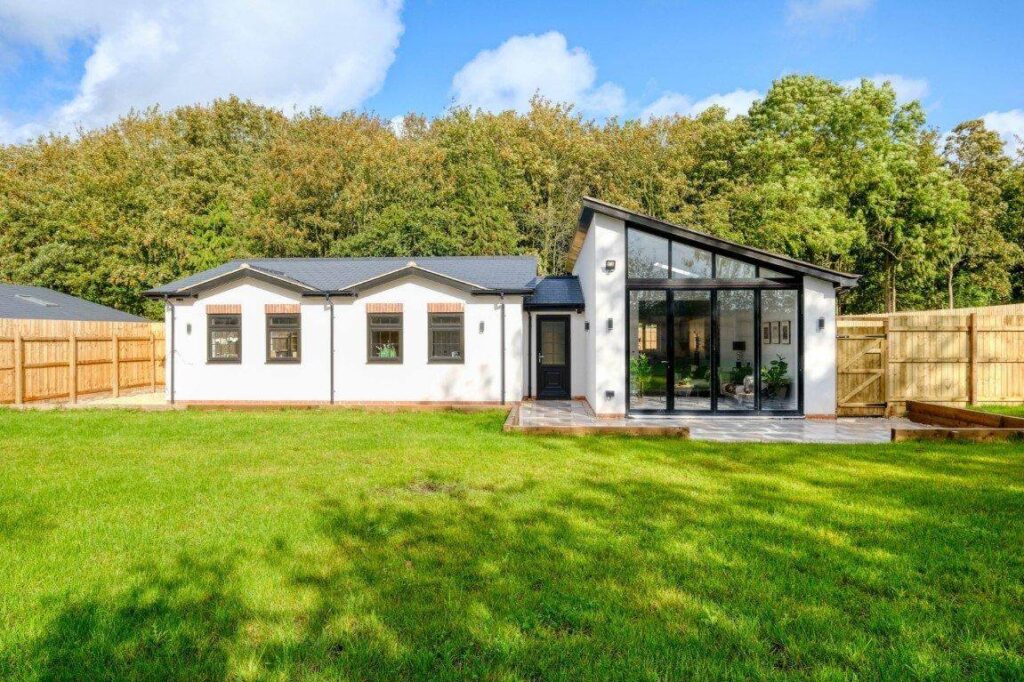
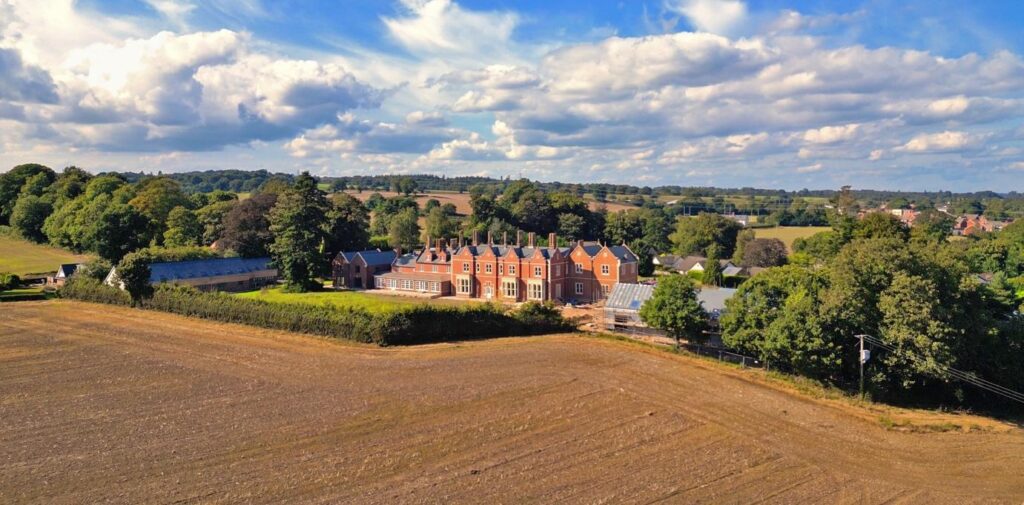
Funding Wise provides hands-on development finance advisory support for residential, mixed-use, and complex development projects across the UK.
We work with developers to prepare schemes properly, structure funding intelligently, and manage the development finance process through valuation, monitoring, legal stages, drawdown, and exit — ensuring funding supports delivery, not just approval.
Development Projects We Support
We advise on development finance for a wide range of schemes, including:
Residential Development
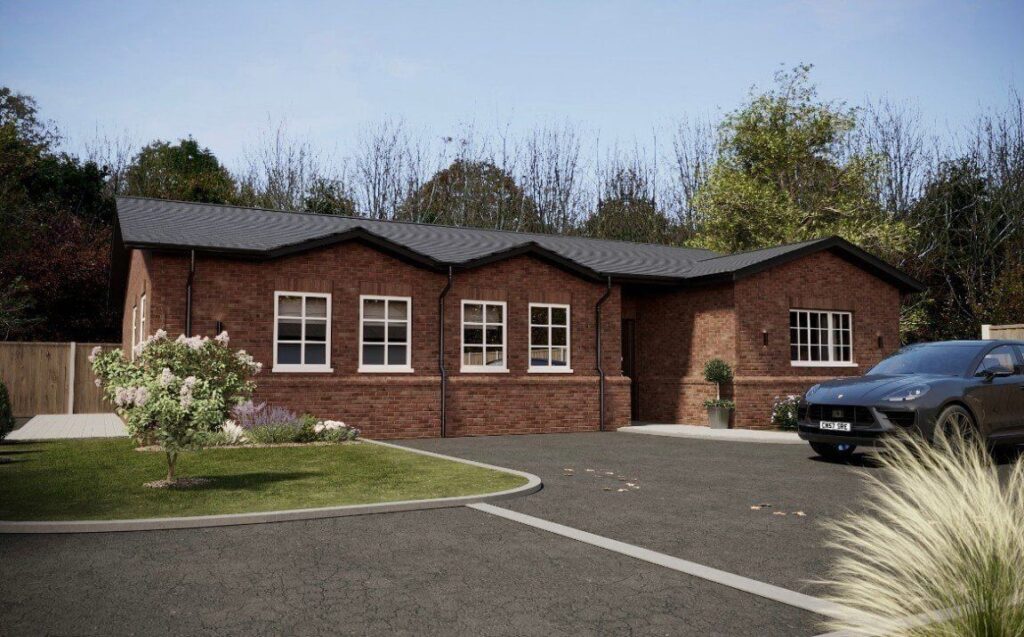
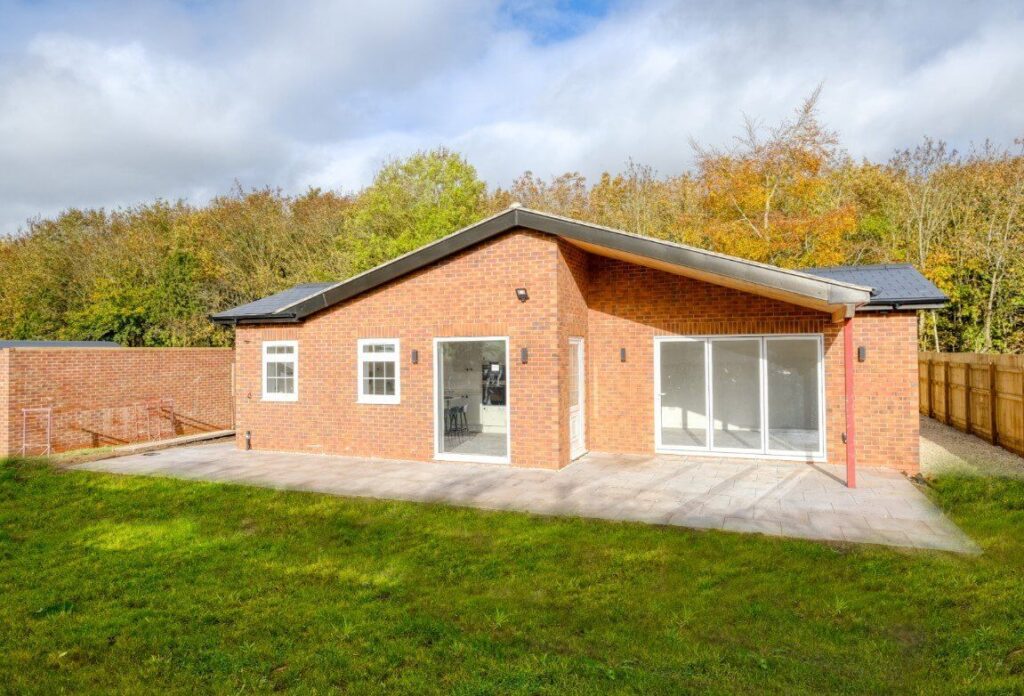
Ground-up housing and apartment schemes, from single plots to multi-unit developments.
Commercial & Mixed-Use
Office, retail, industrial and mixed residential-commercial schemes.
Conversions & Heavy Refurbishment
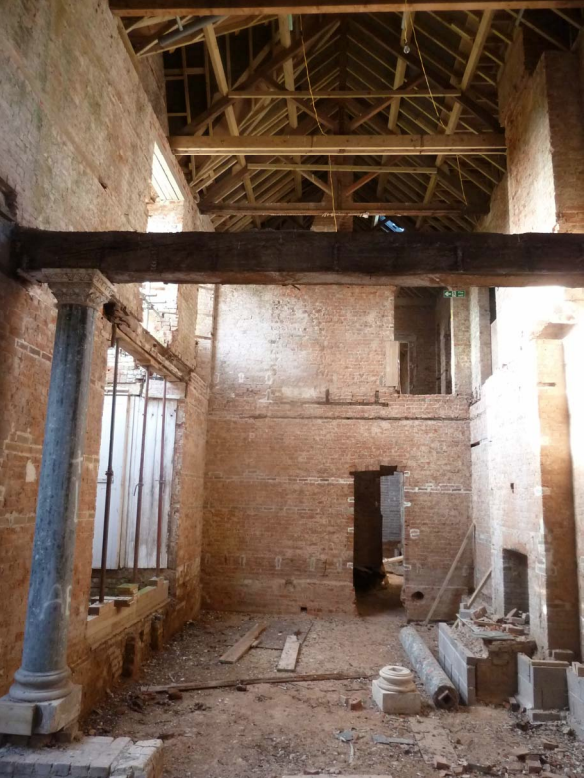
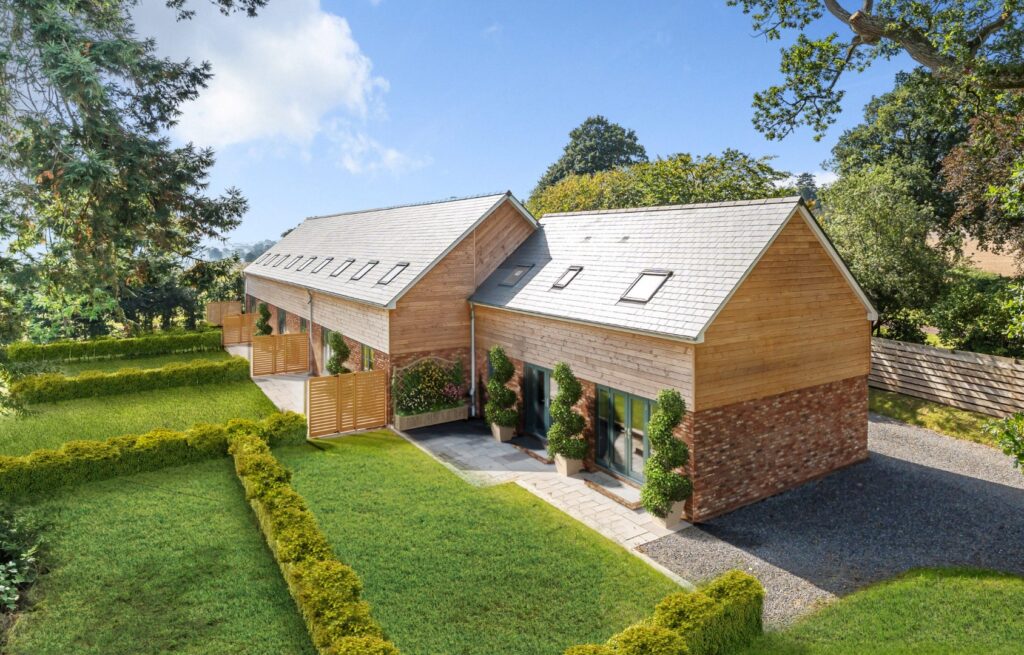
Change-of-use projects, listed buildings, office-to-residential, and complex refurbishments.
Build-to-Rent
Purpose-built rental schemes with longer hold periods and alternative exit strategies.
How We Secure Better Development Finance Terms For You
Most development finance challenges do not arise at application stage — they emerge during valuation, monitoring, legal review, and drawdown.
Our role is to anticipate those pressure points early and manage them actively.
We take the time to understand the site, the build programme, the cost structure, and the exit strategy before approaching lenders. We then position the project clearly, engage directly with senior underwriters, and manage the process through each critical stage to protect momentum and timelines.
The aim is not simply to secure terms, but to ensure the facility works in practice as the build progresses.
Development Financing Structures We Arrange
Sometimes you need more leverage. Sometimes the site needs staged funding. Sometimes you’re buying out a partner mid-build. We structure facilities that match your reality — then find the lenders who’ll actually fund it.
Our advice is always grounded in deliverability, not just leverage.
Development finance is short-term funding (18-36 months) for property construction or heavy refurbishment projects.
Unlike bridging or mortgages, development finance releases money in stages as your build progresses — land purchase, groundworks, first fix, practical completion. You only draw down (and pay interest on) what you need, when you need it.
Lenders assess based on GDV (Gross Development Value), not current property value.
What's the difference between development finance and bridging?
Development finance funds are released in stages for construction. If you’re building from ground up or doing structural work then you will need development finance.
Whereas, bridging loans are given to you as a lump sum upfront. If you’re buying and doing cosmetic refurb then you will ned a bridging loan.
What are typical development finance rates?
6-8% annually for high street lenders. 8-12% for specialist lenders. 12-18% for complex/higher-risk projects or first-time developers. Rate depends on your experience, LTGDV, exit strategy, and project complexity. Most developers pay rolled-up interest (added to loan, paid at exit).
Can I get finance on outline planning?
Yes, but expect 60% LTGDV maximum and higher rates. Full planning consent gets you 65-75% LTGDV and better rates. Lenders see outline planning as higher risk.
What's a typical development finance loan term?
18-24 months for simple residential schemes. 24-36 months for larger or complex projects. Most facilities include 3-6 month extension options (at higher rates). If you think you need 18 months, budget for 24 — builds rarely finish early.
Do I pay interest during construction?
Usually no. Most developers choose rolled-up interest (added to the loan balance monthly, paid at exit). You can service interest monthly if you have cashflow, which slightly reduces total costs. Either way, interest only accrues on money you’ve actually drawn down, not the full facility.
What happens if my project goes over budget?
You fund the overspend from your contingency (which should be 10-15% of build costs). If contingency runs out, you either inject more equity or negotiate additional facility with the lender (rarely approved mid-build). This is why accurate cost estimation and a good QS are critical.
What happens if construction delays push past the loan term?
Most lenders offer 3-6 month extensions at a higher rate (typically +2-3% annually). Avoid needing extensions if possible — they’re expensive and signal problems to lenders. If delays look likely, negotiate the extension early, don’t wait until the week before expiry.
What's the difference between LTGDV and LTV?
LTGDV (Loan to Gross Development Value) = loan as % of finished property value.
LTV (Loan to Value) = loan as % of current value. Development finance uses LTGDV because you’re building something that doesn’t exist yet.
What exit strategies do lenders accept?
Sale (most common), refinance to BTL mortgage (if keeping as rental), refinance to commercial mortgage (if commercial project), or rollover to another development finance facility (if building portfolio).
Lenders want credible exits. “I’ll figure it out later” doesn’t get approved. Exit must be achievable within loan term.